

We have new neighbors across the street. The house they bought was previously owned by an older gentleman who had spent years nurturing some of the most beautiful plant specimens I have ever seen. The hedges running alongside his property lines were especially delightful.
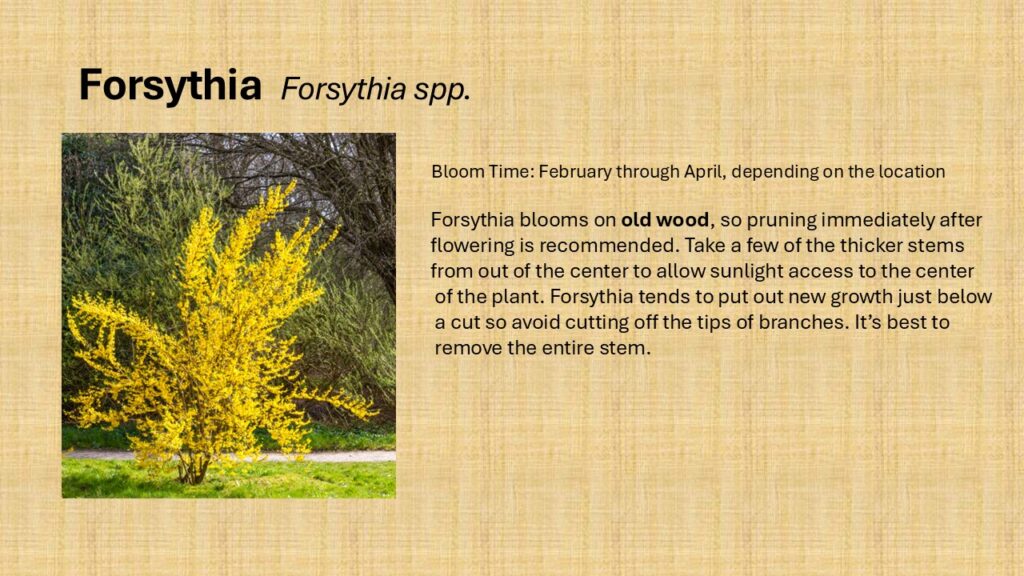
Just before the frigid temperatures set in, I stood at my kitchen window and watched my young neighbor trim his hedges. He was absolutely meticulous in his work, stepping back every now and then to survey his efforts and decide which branches to remove next. By the time he was finished, all of the old wood had been removed and what had been graceful arching boughs were transformed into very symmetrical rows. He was obviously proud of his accomplishments and I didn’t have the heart to tell him that his forsythia bushes wouldn’t be blooming next spring.
Late fall and early winter is often thought of as the best time to prune shrubs and trees. For many species, fall is a prime pruning time, but for some, like my neighbor’s forsythias, cutting back in fall spells disaster. Knowing when and how to prune your flowering shrubs will help keep your landscape in full bloom for years to come.
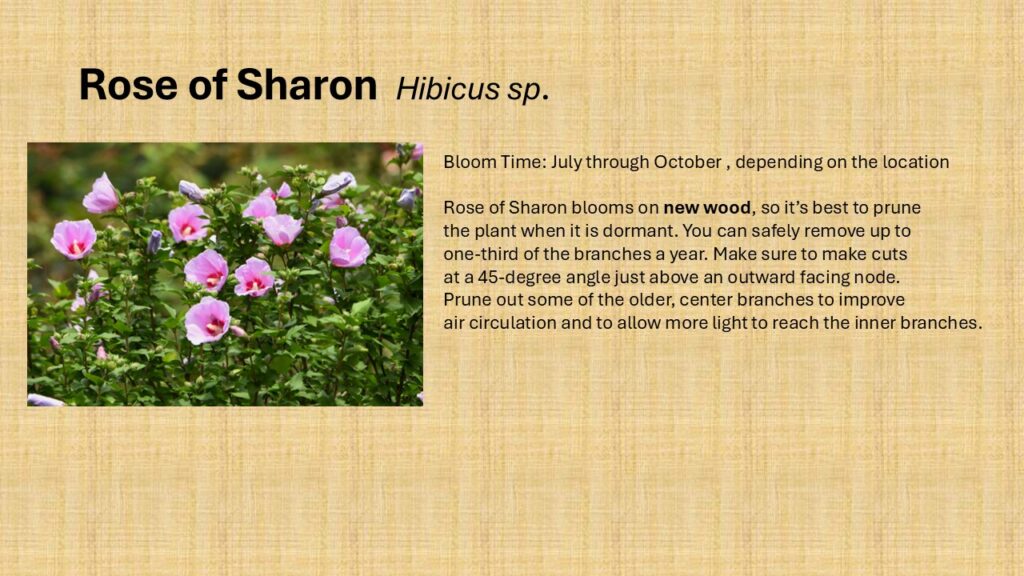
Flowering shrubs either bloom on old wood or new wood. Old wood is defined as growth that the plant put on the previous year. New wood then is the growth put on during the current growing season. Knowing the plant’s bloom habit is one of the essential elements in proper pruning since pruning at the wrong time can destroy any chance of flowering.
Understanding the form of the plant helps you make good pruning decisions. Fighting against the natural shape can result in a mangled mess. As a general rule, any damaged branches should be removed. Branches that cross or rub against one another should be taken out to prevent damage to the plant. Branches that are dragging on the ground or that seem out of place should be cut.
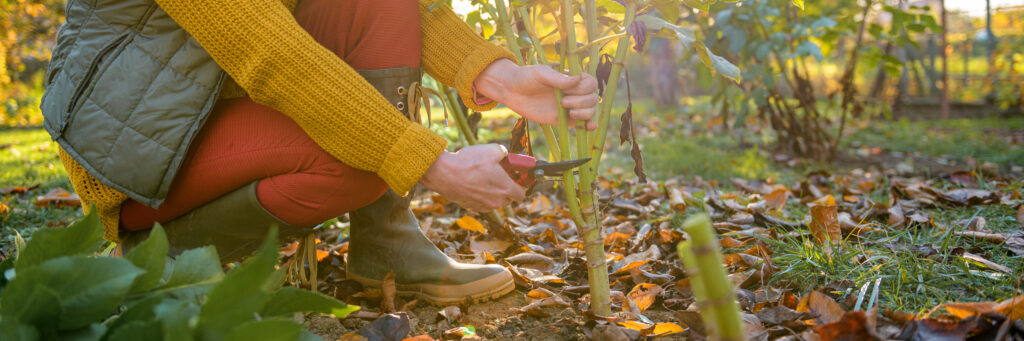
Using the correct tool for the job is another important element. Some cuts can be made with a pair of hand pruners, while others will require more heavy duty loppers. Regardless of which is used, make sure that the blades are sharpened and have been sanitized. Clean cuts are more likely to heal faster, avoiding insect damage or disease.
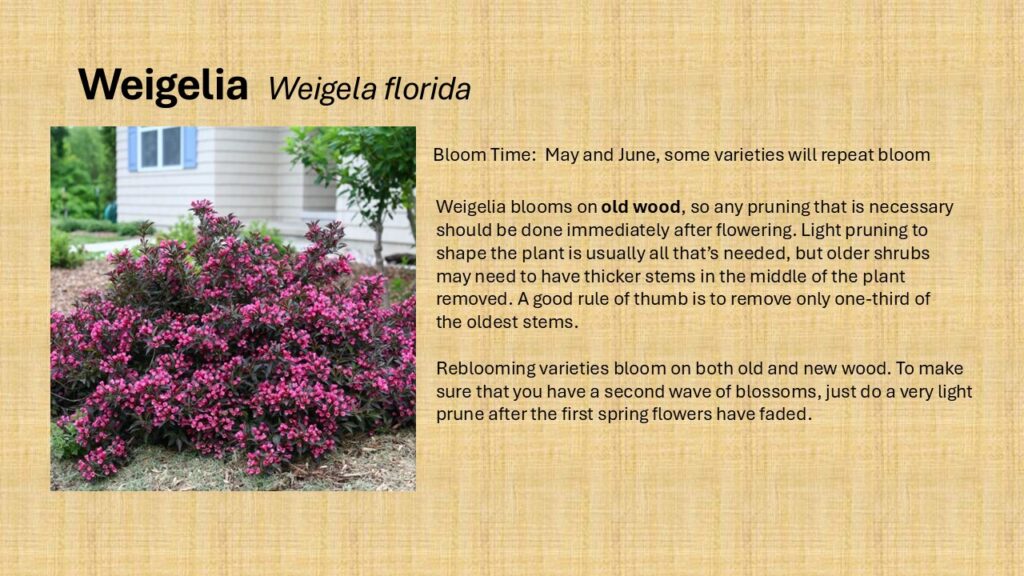
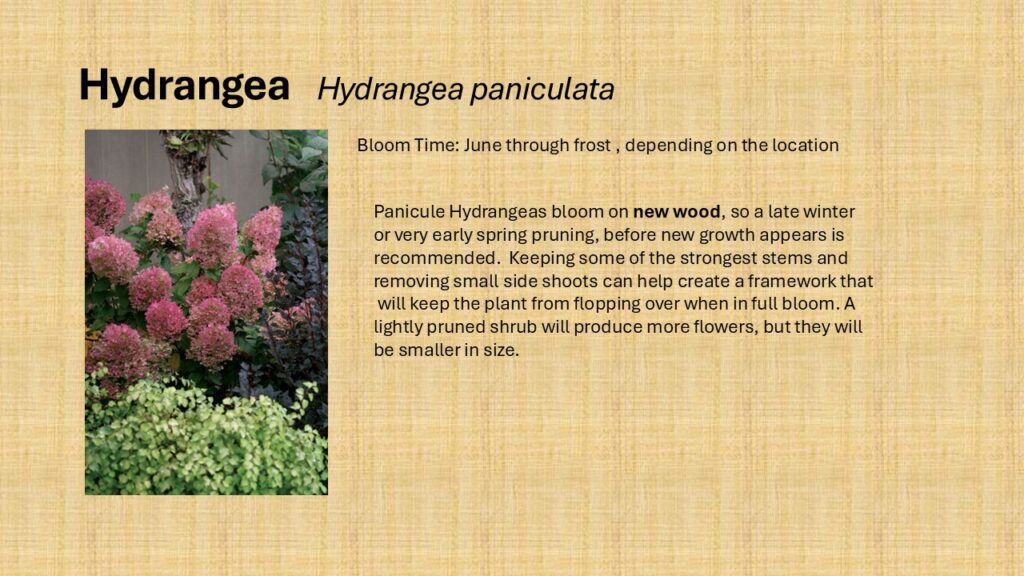
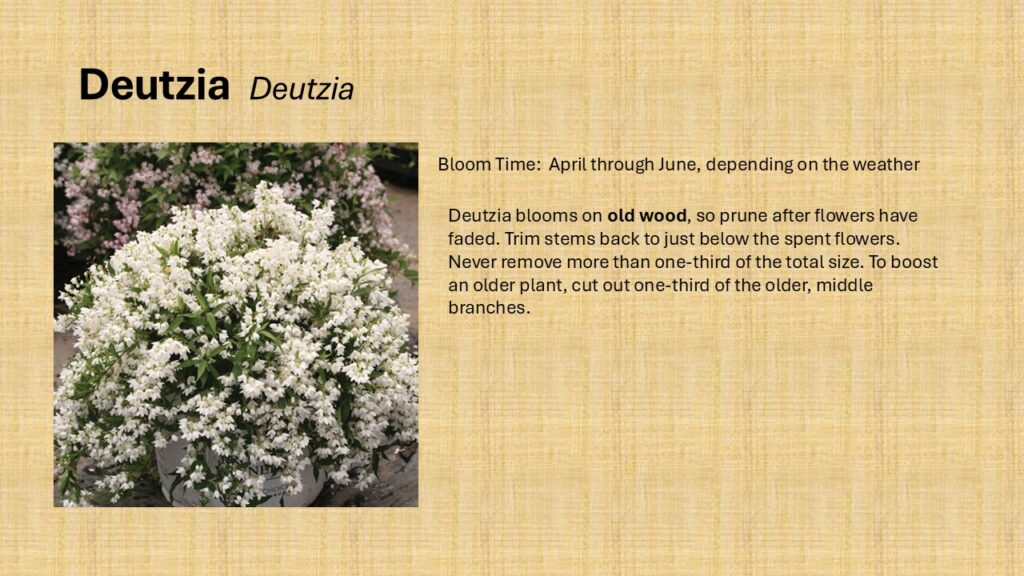
If you have a yard full of shrubs to maintain, knowing when and how each needs to be pruned can be an overwhelming task. To make it just a bit easier, we’ve put together a list of ten popular flowering shrubs and some basic pruning information. If you’re outside of the mid Missouri area and need more information, your local extension service is a great place to start.


By: Sandra Nelson
