
 https://embassylandscape.com/wp-content/uploads/2026/03/Retail-Entrance-facade-of-an-Irish-pub-style-restaurant.jpg
1250
2000
Abstrakt Marketing
/wp-content/uploads/2026/01/Embassy-Logo-COLOR-padding-300x88.png
Abstrakt Marketing2026-07-24 14:28:502026-07-24 14:28:55How Retail Landscaping Services Affect Tenant Success and Foot Traffic
https://embassylandscape.com/wp-content/uploads/2026/03/Retail-Entrance-facade-of-an-Irish-pub-style-restaurant.jpg
1250
2000
Abstrakt Marketing
/wp-content/uploads/2026/01/Embassy-Logo-COLOR-padding-300x88.png
Abstrakt Marketing2026-07-24 14:28:502026-07-24 14:28:55How Retail Landscaping Services Affect Tenant Success and Foot TrafficBy Embassy Landscape Group, a Kansas City commercial grounds and snow-and-ice partner since 1979 and a National Association of Landscape Professionals (NALP) award recipient.
At a Glance
- 97% of weather-related injuries are slips or trips on ice and snow, making the snow contract a liability document, not just a service order.
- The average snow- or ice-related slip-and-fall claim runs about $33,000.
- A strong contract defines scope (plowing, salting, sidewalk clearing, brining), trigger depth, and response-time guarantees in writing.
- Seasonal and per-event pricing carry different budget risk; know which you are signing.
- Proactive storm monitoring and documented service separate a defensible program from a reactive one.
Why the Contract Matters More Than the Plow
The snow contract is a liability document before it is a service order. Winter surface conditions are the most concentrated risk a commercial property faces: 97% of weather-related injuries are slips or trips on ice and snow, according to a study in the Journal of Safety Research. The exposure is expensive, with the average snow- or ice-related slip-and-fall claim around $33,000. A vague contract leaves the property owner holding that risk, while a precise one assigns scope, timing, and documentation clearly. That is why evaluating commercial snow removal services starts with the paperwork, not the equipment.
Define Scope, Trigger Depths, and Response Times
The core of any commercial snow removal contract is what gets done, when, and how fast. Scope should name every surface and service: plowing and commercial snow plowing services for lots and drive lanes, sidewalk and entrance clearing, salting, and brining or pre-treatment before a storm. Trigger depth is the snowfall amount that starts service, and a one-inch trigger and a two-inch trigger are very different bills and very different liability profiles, so it belongs in writing. Response-time guarantees matter just as much: the contract should state how quickly crews mobilize once the trigger is met and whether service continues through an ongoing storm. Reliable commercial ice management, including refreeze monitoring after plowing, belongs in the same section rather than as an assumed extra.
Understand Seasonal vs. Per-Event Pricing
Pricing structure decides who carries the weather risk. A seasonal flat rate makes budgets predictable but can mean overpaying in a mild winter, while per-event pricing tracks actual snowfall but spikes in a heavy one. Neither is wrong; the right choice depends on your property, your region, and your tolerance for a variable line item.
| Pricing model | How it works | Budget risk |
| Seasonal (flat rate) | One fixed fee for the season, regardless of snowfall | Overpay in a mild winter |
| Per-event | Charged each time crews plow or treat | Costs spike in a heavy winter |
| Per-push or per-inch | Billed by push or by snowfall depth | Needs clearly defined triggers |
| Time and materials | Billed for labor and materials used | Hardest to forecast |
Liability, Documentation, and How to Choose a Commercial Snow Removal Company
Liability allocation is where a weak contract costs the most. Property owners owe visitors a duty to keep surfaces reasonably safe, and courts weigh doctrines like the ongoing storm rule, which can give a contractor a reasonable window after a storm ends before full clearing is required. The strongest defense is documentation: time-stamped records of every visit, the material applied, and site conditions. That is also the real test in how to choose a commercial snow removal company. Look past the low bid to what a dependable commercial snow removal services provider actually delivers: proactive storm monitoring, guaranteed response times, proper insurance and indemnification, documented service, and a dedicated contact. Strong winter grounds management commercial property owners can rely on is measured by what happens before and after the storm, not just during it.
How Embassy Structures Its Snow and Ice Program
Embassy Landscape Group builds commercial snow removal services around preparation, not reaction. Crews track incoming storms by precipitation type, air temperature, and pavement condition, and pre-treat surfaces with brine before snow bonds to the pavement. Teams are on call 24/7 and monitor each property through the event, clearing ADA-accessible pathways and entrances before they become a liability, the same discipline behind Embassy’s emergency access routes for hospitals. Every property has a dedicated account contact, so decisions do not wait on a call center, and service is documented for the record. That structure is what turns a commercial snow removal contract from a gamble into a defensible program, alongside year-round commercial grounds management and backed by NALP award-winning standards.
Frequently Asked Questions About Commercial Snow Removal Contracts
What should a commercial snow removal contract include?
It should define the scope of service (plowing, salting, sidewalk clearing, and pre-treatment), the trigger depth that starts service, response-time guarantees, the pricing structure, and how liability and documentation are handled. Anything left vague in the contract becomes the property owner’s risk during a storm.
What is a trigger depth in a snow contract?
Trigger depth is the amount of snowfall that activates service under the contract, such as one or two inches. A lower trigger means earlier, more frequent service and less standing snow, which reduces liability but can raise cost.
What is the difference between seasonal and per-event snow pricing?
Seasonal pricing is one flat fee for the winter, which makes budgeting predictable but can mean overpaying in a mild year. Per-event pricing charges for each visit, which tracks actual snowfall but can spike during a heavy winter.
Who is liable if someone slips on an icy commercial property?
Property owners generally owe visitors a duty to keep surfaces reasonably safe, so liability often falls on the owner or the party responsible for the property. A documented snow and ice program and clear contract terms are the main defense when a claim is filed.
How fast should a snow contractor respond after a storm?
The contract should state a specific response window once the trigger depth is met, and whether crews continue through an ongoing storm. Documented mobilization and completion times protect both the property and the contractor.
What is brining or pre-treatment, and why does it matter?
Brining applies a salt solution before a storm so snow and ice do not bond to the pavement, which makes clearing faster and safer. Pre-treatment also reduces the total salt needed and shortens the window when surfaces are hazardous.
How do I choose a commercial snow removal company?
Look past the lowest bid to proactive storm monitoring, guaranteed response times, proper insurance and indemnification, documented service, and a dedicated point of contact. A dependable commercial snow removal services provider is judged by preparation and documentation, not just plowing.
Lock In Your Winter Program Before the First Storm with Embassy Landscape Group
The best time to evaluate a commercial snow removal contract is now, before the season starts and crews are committed. Embassy Landscape Group helps Kansas City property managers put a clear, defensible commercial snow removal services program in place, with proactive storm monitoring, guaranteed response, and documented service built in.
Get your snow and ice plan reviewed and locked in before the first storm of the season.
https://embassylandscape.com/wp-content/uploads/2026/03/Retail-Entrance-facade-of-an-Irish-pub-style-restaurant.jpg
1250
2000
Abstrakt Marketing
/wp-content/uploads/2026/01/Embassy-Logo-COLOR-padding-300x88.png
Abstrakt Marketing2026-07-24 14:28:502026-07-24 14:28:55How Retail Landscaping Services Affect Tenant Success and Foot Traffic https://embassylandscape.com/wp-content/uploads/2026/05/2026-Summer-Arrivals-3.jpg
1365
2048
Abstrakt Marketing
/wp-content/uploads/2026/01/Embassy-Logo-COLOR-padding-300x88.png
Abstrakt Marketing2026-06-22 08:58:162026-06-22 08:58:27How Drought Stress Undermines Commercial Pest Management on Landscape Properties
https://embassylandscape.com/wp-content/uploads/2026/05/2026-Summer-Arrivals-3.jpg
1365
2048
Abstrakt Marketing
/wp-content/uploads/2026/01/Embassy-Logo-COLOR-padding-300x88.png
Abstrakt Marketing2026-06-22 08:58:162026-06-22 08:58:27How Drought Stress Undermines Commercial Pest Management on Landscape Properties https://embassylandscape.com/wp-content/uploads/2026/03/Estate-Habbiger-Flowers-along-path.jpg
1250
2000
Abstrakt Marketing
/wp-content/uploads/2026/01/Embassy-Logo-COLOR-padding-300x88.png
Abstrakt Marketing2026-06-22 08:49:282026-06-22 08:49:34The ROI of Plant Health Care in Commercial Landscaping
https://embassylandscape.com/wp-content/uploads/2026/03/Estate-Habbiger-Flowers-along-path.jpg
1250
2000
Abstrakt Marketing
/wp-content/uploads/2026/01/Embassy-Logo-COLOR-padding-300x88.png
Abstrakt Marketing2026-06-22 08:49:282026-06-22 08:49:34The ROI of Plant Health Care in Commercial Landscaping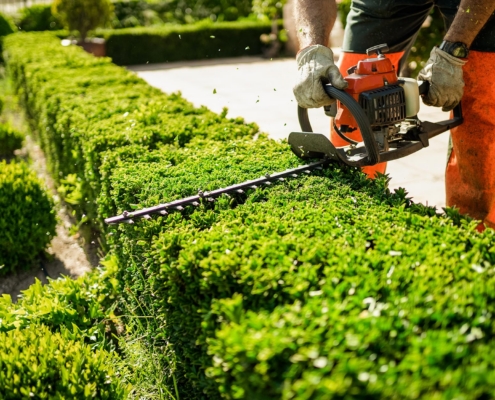 https://embassylandscape.com/wp-content/uploads/2026/02/Side-view-of-a-landscaper-trimming-hedges.jpg
1250
2000
Abstrakt Marketing
/wp-content/uploads/2026/01/Embassy-Logo-COLOR-padding-300x88.png
Abstrakt Marketing2026-05-28 07:30:392026-05-28 07:32:56Seasonal Commercial Landscape Maintenance Checklist: What to Do Year-Round
https://embassylandscape.com/wp-content/uploads/2026/02/Side-view-of-a-landscaper-trimming-hedges.jpg
1250
2000
Abstrakt Marketing
/wp-content/uploads/2026/01/Embassy-Logo-COLOR-padding-300x88.png
Abstrakt Marketing2026-05-28 07:30:392026-05-28 07:32:56Seasonal Commercial Landscape Maintenance Checklist: What to Do Year-Round https://embassylandscape.com/wp-content/uploads/2026/02/Side-view-of-a-gardener-pulling-unwanted-weeds-from-the-ground.jpg
1250
2000
Abstrakt Marketing
/wp-content/uploads/2026/01/Embassy-Logo-COLOR-padding-300x88.png
Abstrakt Marketing2026-05-28 07:30:282026-08-20 13:07:37What Does Commercial Landscape Maintenance Include? A Complete Guide
https://embassylandscape.com/wp-content/uploads/2026/02/Side-view-of-a-gardener-pulling-unwanted-weeds-from-the-ground.jpg
1250
2000
Abstrakt Marketing
/wp-content/uploads/2026/01/Embassy-Logo-COLOR-padding-300x88.png
Abstrakt Marketing2026-05-28 07:30:282026-08-20 13:07:37What Does Commercial Landscape Maintenance Include? A Complete Guide